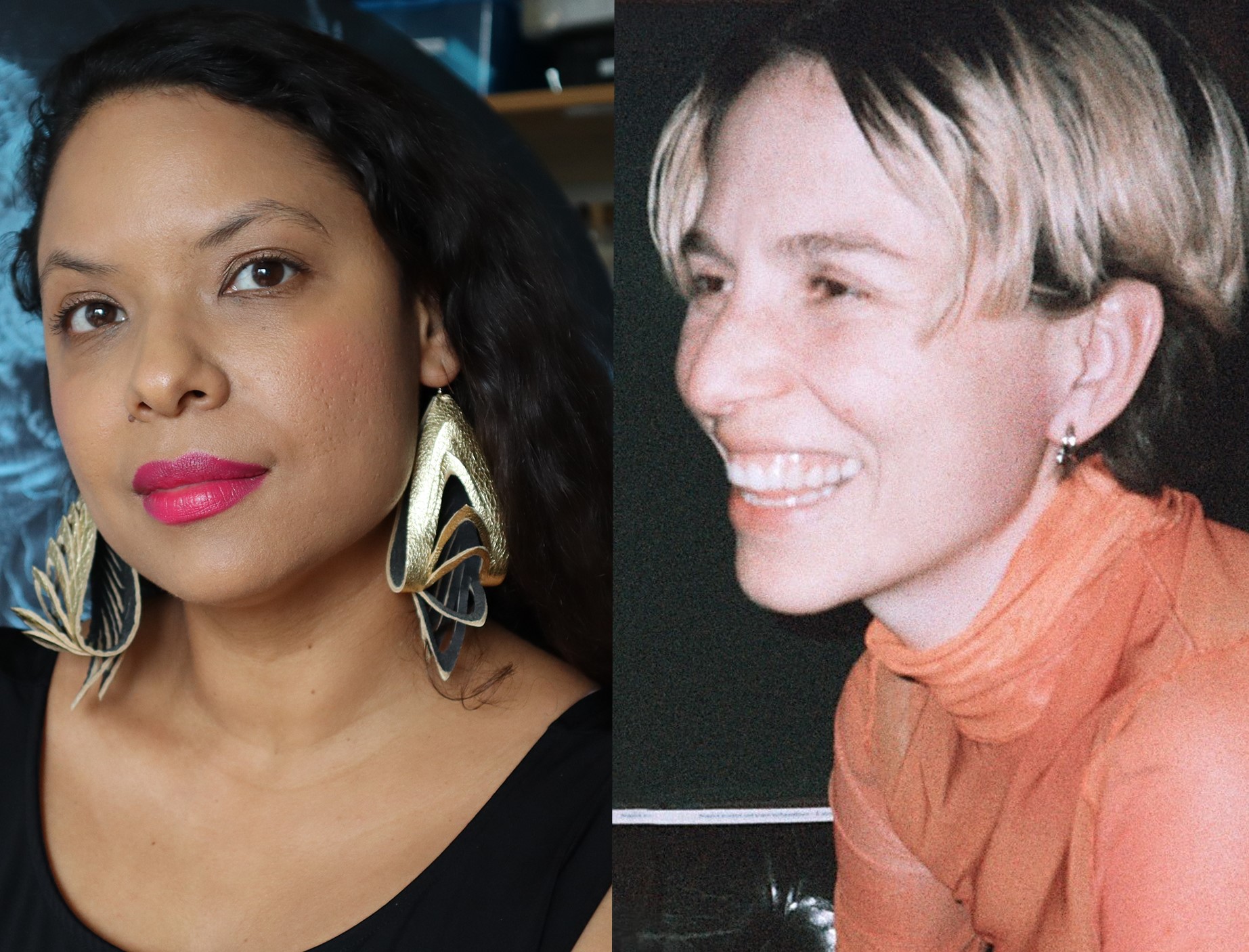
With Mario Schulze, curator and cultural historian, and Sarine Waltenspül, curator and historian of technology, in conversation with artist Taloi Havini.
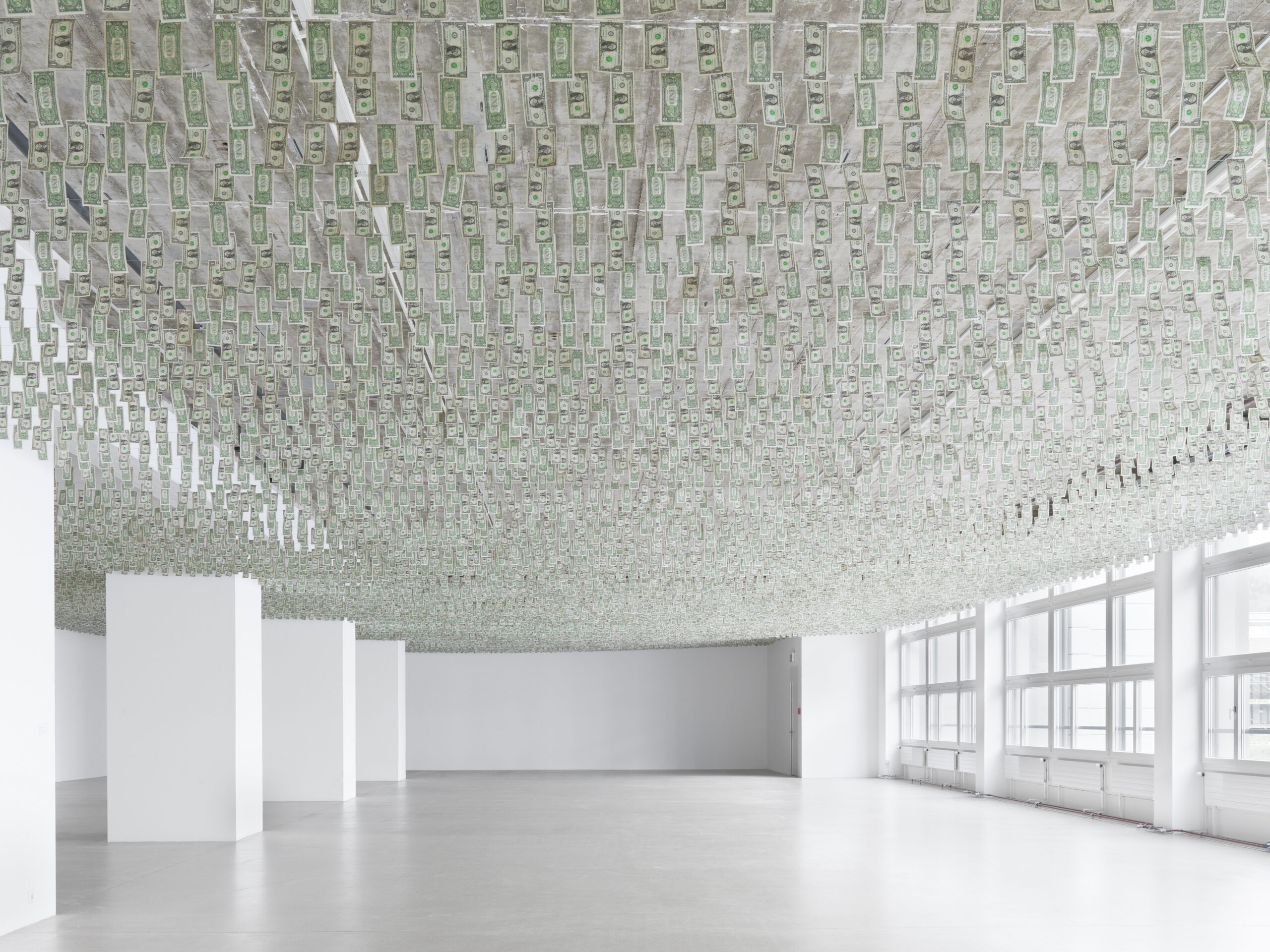
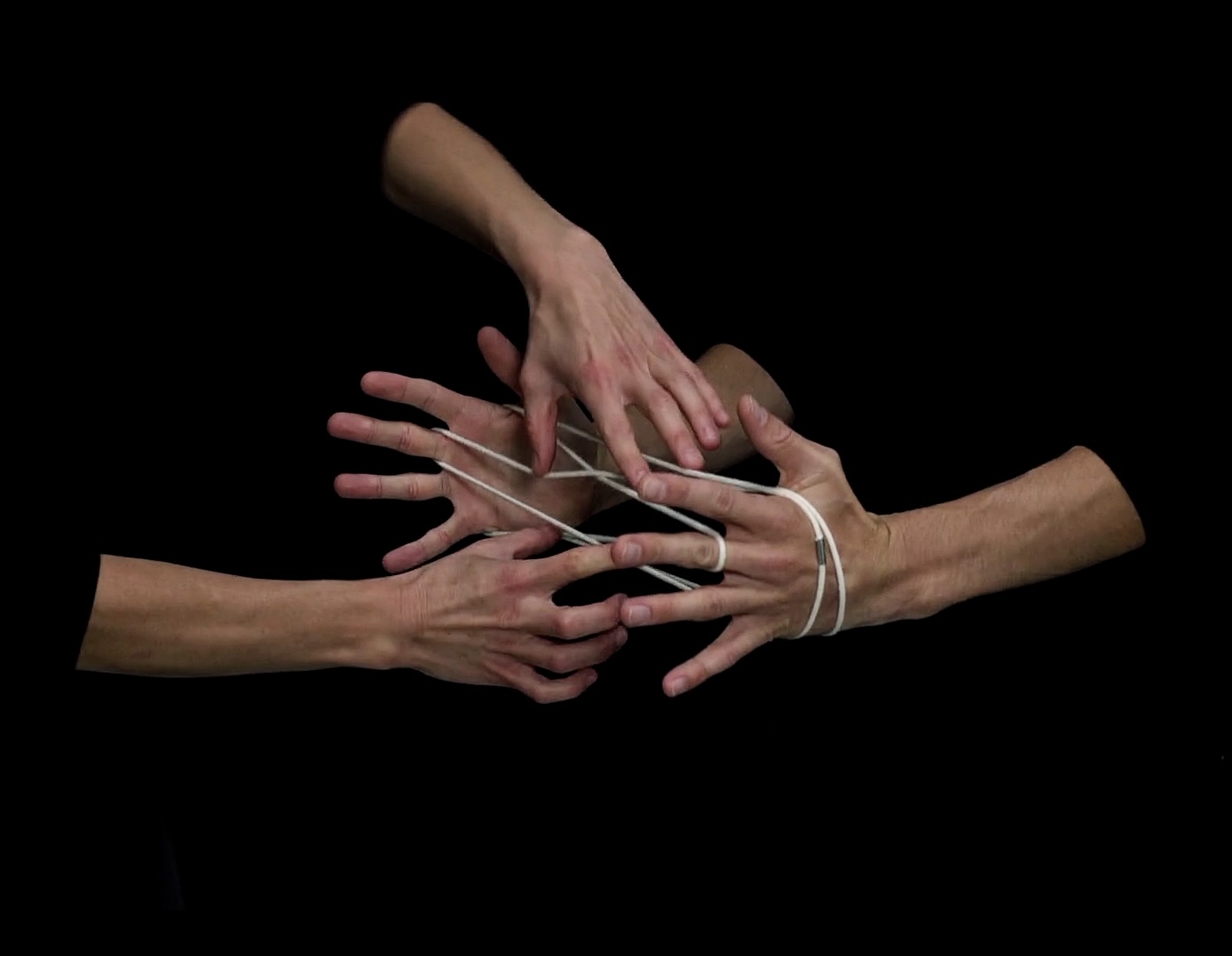
In their Interdisciplinary Talk, Taloi Havini, Mario Schulze, and Sarine Waltenspül speak about their artistic and curatorial practice, which seeks to share, think and do oceanic and immaterial heritage in novel ways. The talk will explore themes including string figures, shell money, and cross-cultural learning.
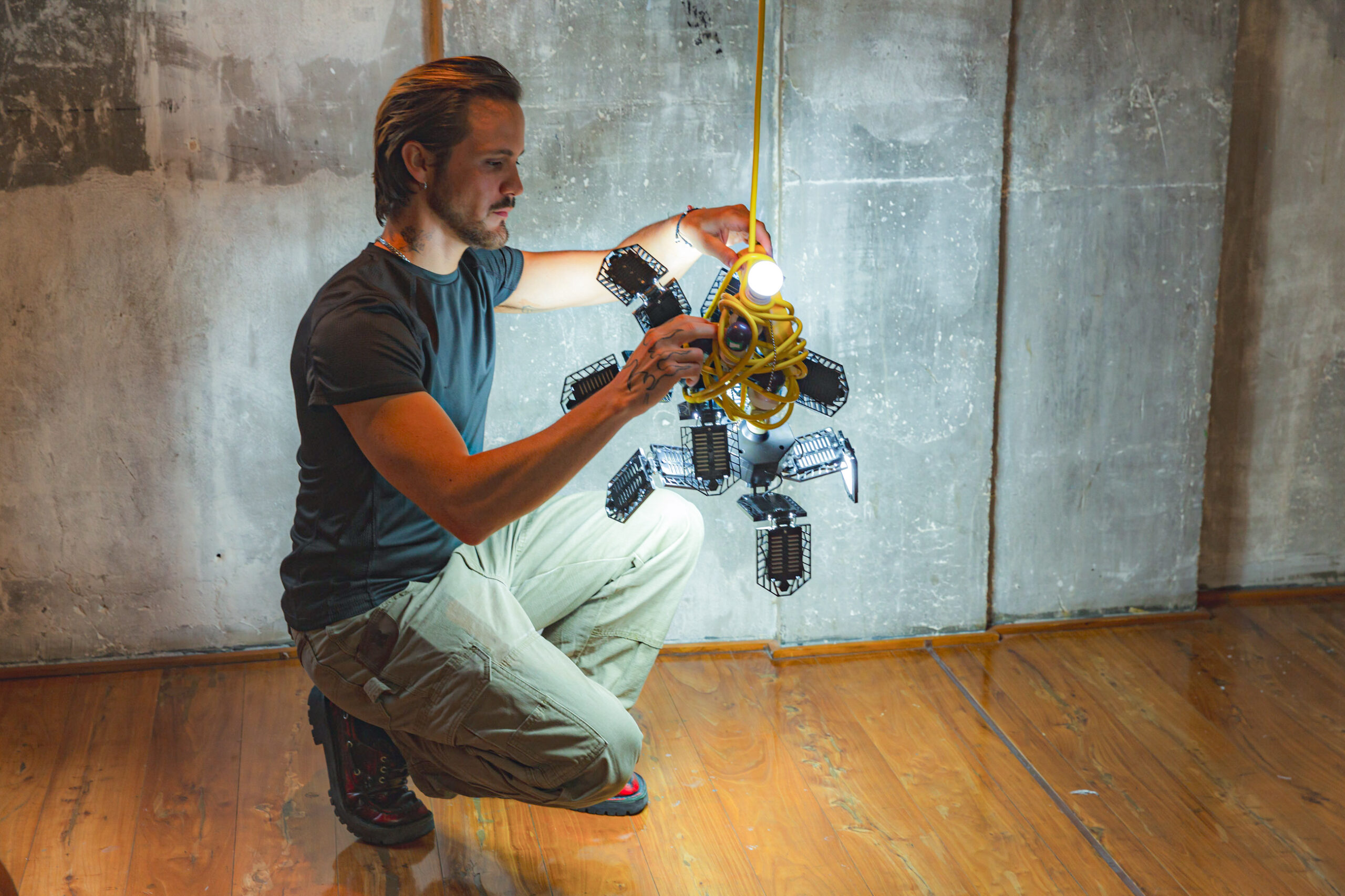
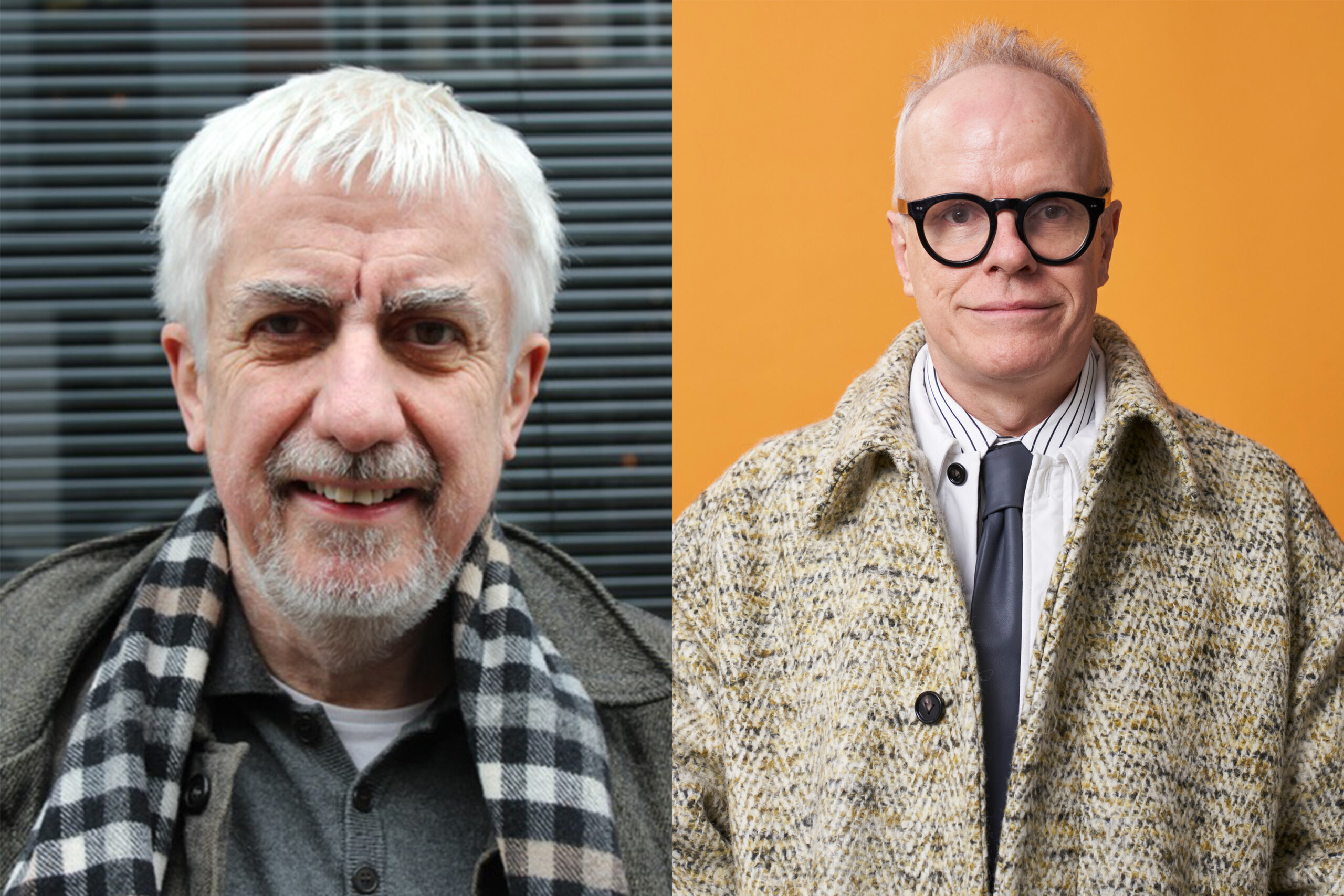
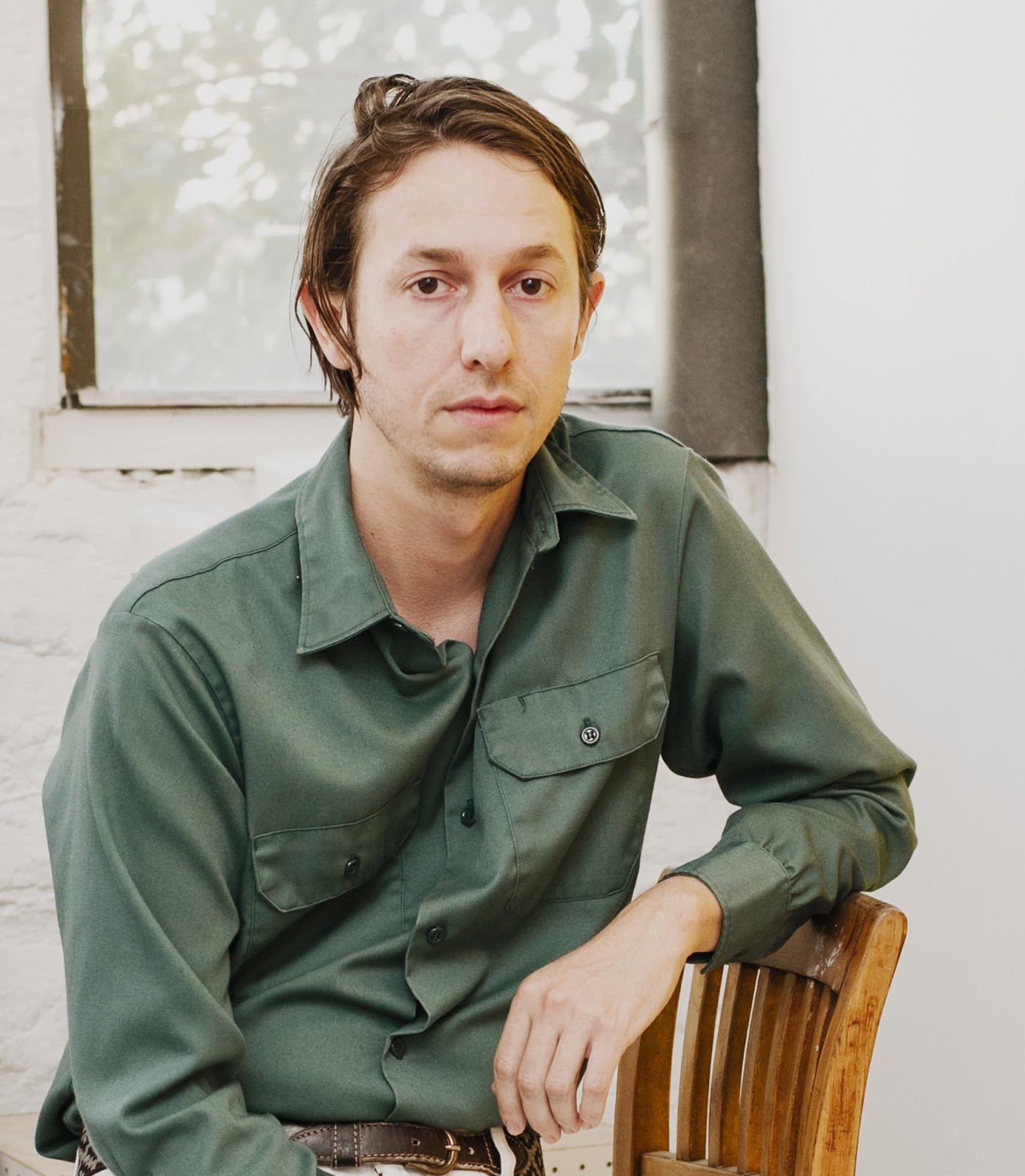
MARIO SCHULZE is a historian of science and media who also works as a curator. Recently, he curated the “String Figures. A Research Exhibition” at the Museum Tinguely, Basel. He is the author of “Wie die Dinge sprechen lernten: Eine Geschichte des Museumsobjektes” (2017) and “Fließend: Geschichte, Ästhetik und Politik des wissenschaftlichen Films” (2025). Mario Schulze holds a doctorate in Cultural Analysis from the University of Zurich. Postdoctoral appointments and Fellowships took him to the Humboldt University of Berlin, University of Lucerne, Collegium Helveticum Zurich, Museumsakademie Graz and the Zurich University of the Arts. He currently works at the Department of Media Studies of the University of Basel.
SARINE WALTENSPÜL is a historian of science, media artist and scholar, as well as a curator.
She studied philosophy, art history and cultural analysis, theory and history in Basel, Zurich and Berlin, earned a doctorate in media studies, worked at the Zurich University of the Arts, was a fellow at MECS/Lüneburg, Collegium Helveticum/ETH, Deutsches Museum Munich, HU Berlin and a visiting professor at the University of Basel. She has co-/led various research projects, currently the interdisciplinary project “Visualpedia. Atlas Encyclopaedia Cinematographica and the Visual Science and Technology Studies” at the University of Lucerne.
She is the author of “Modelle im Film. Eine kleine Kinogeschichte” (2024) and “Fließend. Geschichte, Ästhetik und Politik des wissenschaftlichen Films” (2025). Recently, she curated the exhibition “String Figures / Fadenspiele: A Research Exhibition” at the Museum Tinguely Basel.
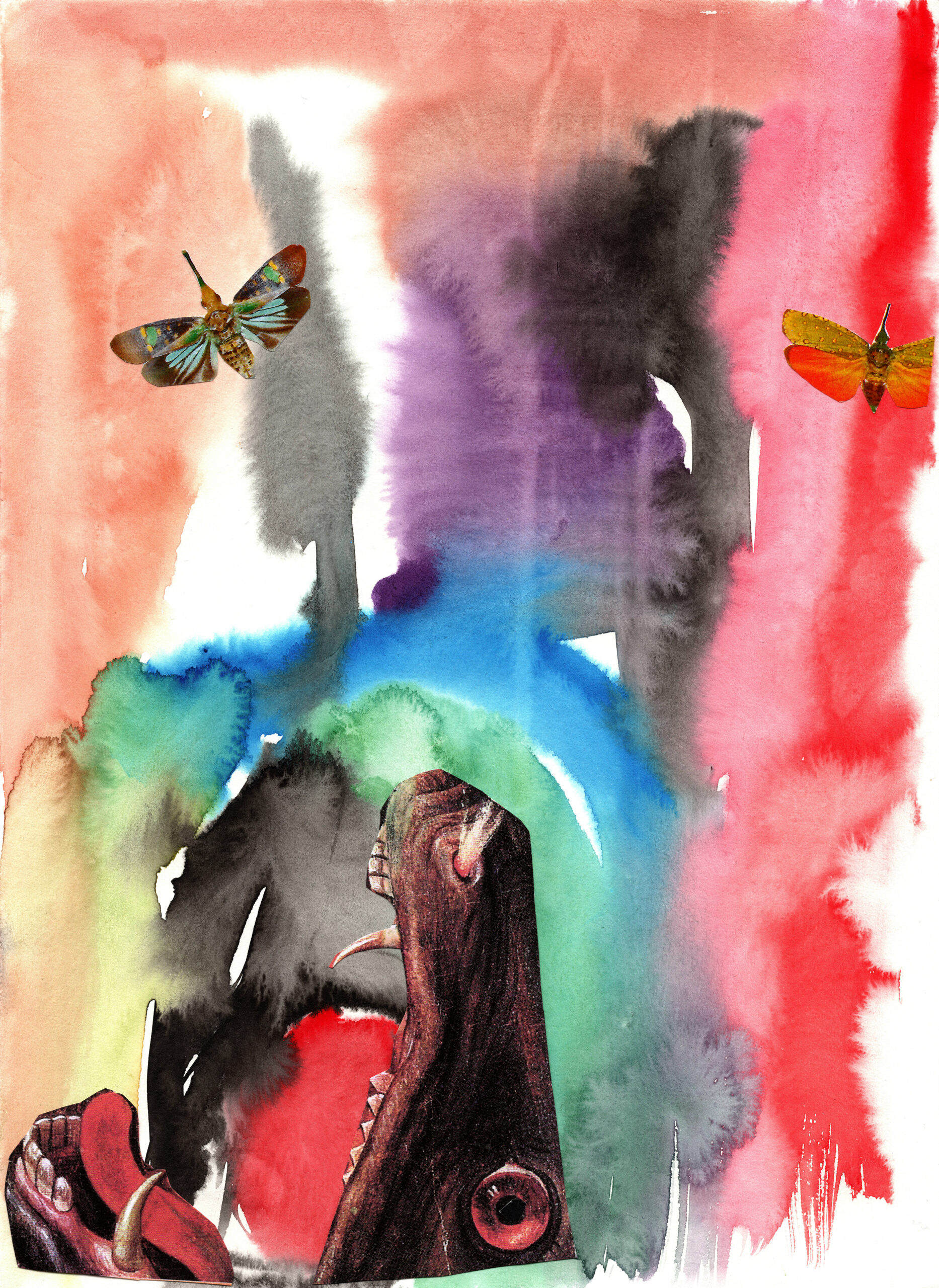
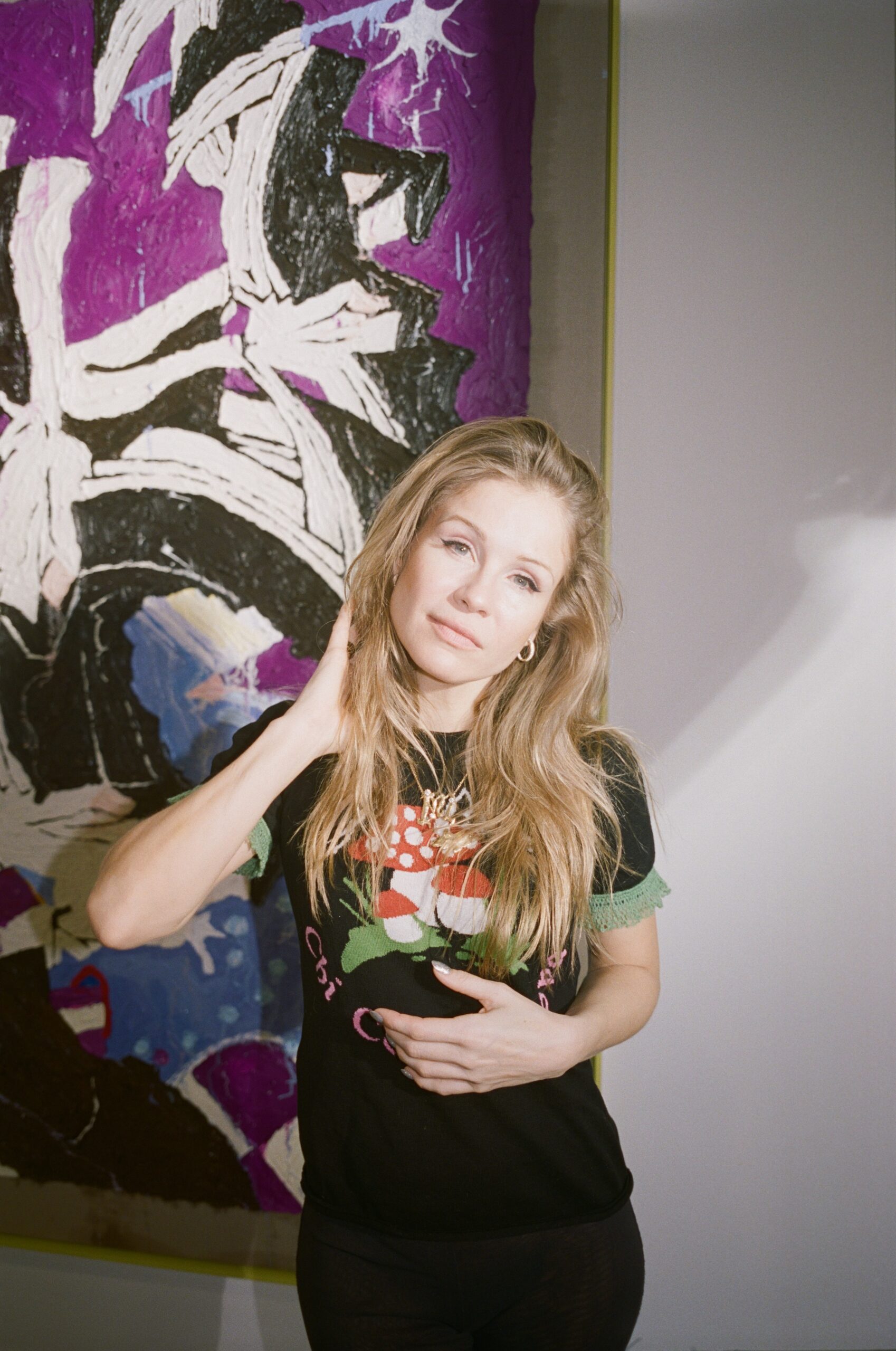
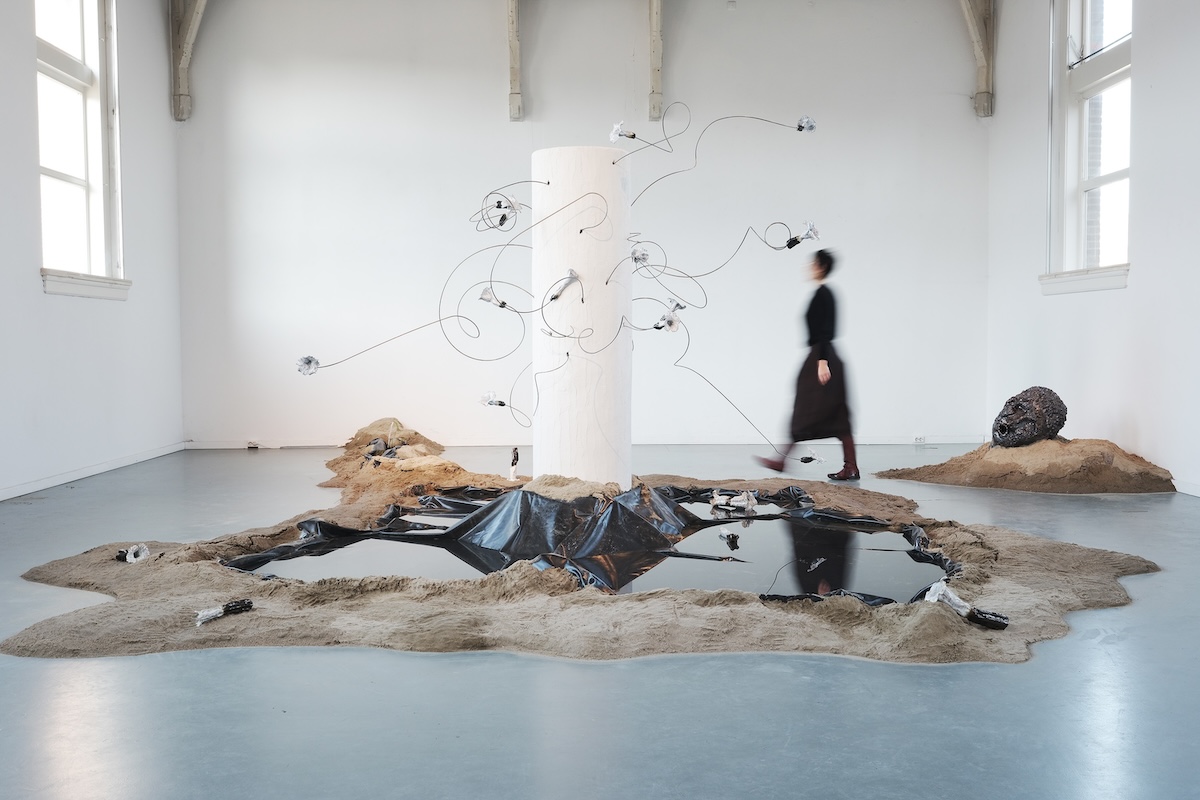
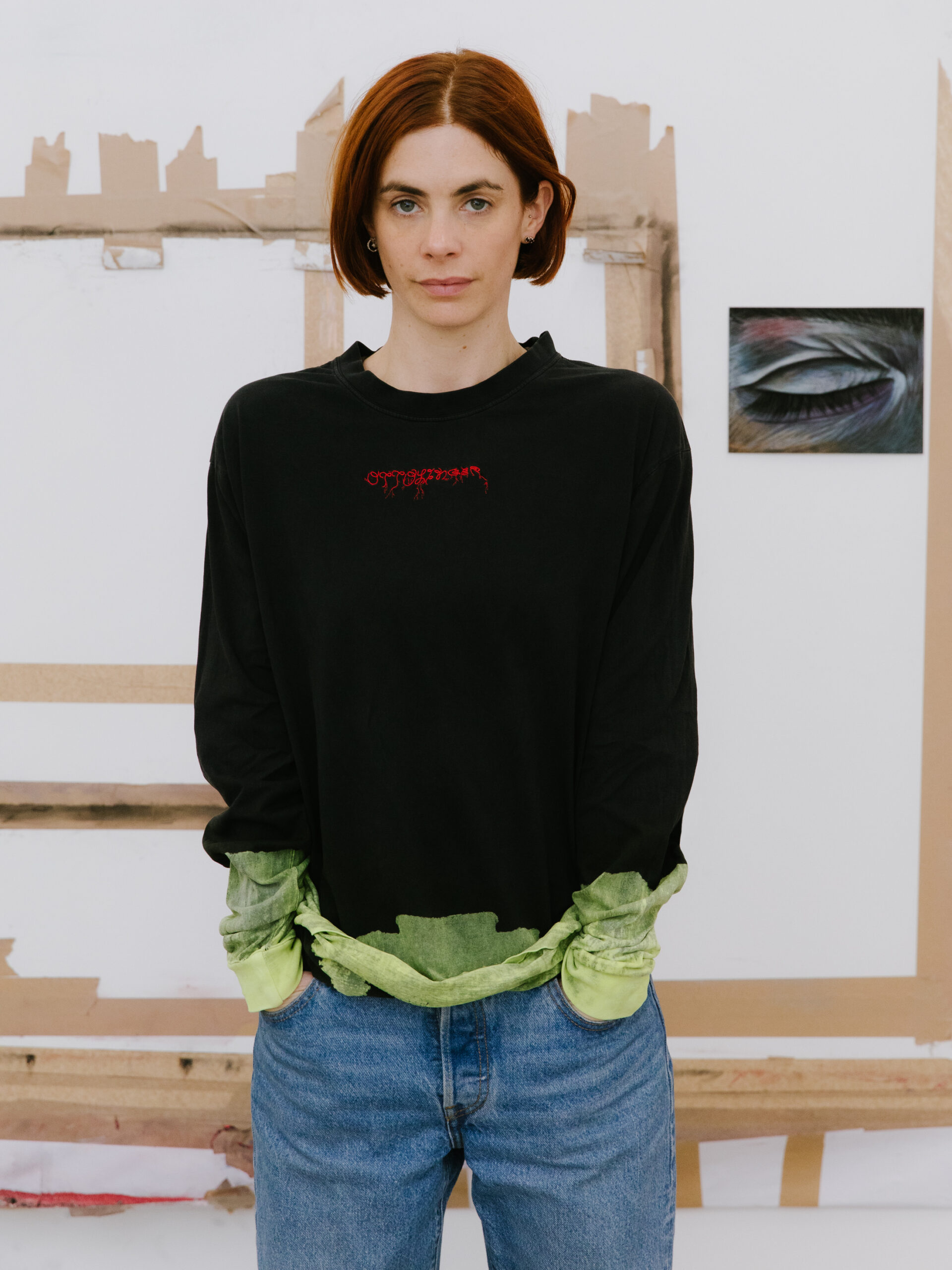
TALOI HAVINI (b, 1981, Arawa, Autonomous Region of Bougainville, Papua New Guinea; lives and works in Brisbane, Australia) is an interdisciplinary artist working across media from sculpture, photography, moving image, installation, and sound. A descendant from the Nakas clan of the Hakö (Haku) people of northeastern Buka, her research practice is shaped by her matrilineal ties to her land in Bougainville and studies surrounding Indigenous Knowledge Systems and museum collections. Havini creates immersive and site-specific experiences, often reflecting on ideas of transmission, mapping and representation. She continues to work collaboratively on cultural heritage projects with communities in Bougainville.
Havini won the prestigious Artes Mundi Prize on its tenth edition. Havini’s artwork is held in public and private collections including TBA21–Academy, Sharjah Art Foundation, Art Gallery of New South Wales, Queensland Art Gallery | Gallery of Modern Art (QAGOMA), National Gallery of Victoria and KADIST, San Francisco, CA, USA. She has participated in numerous solo and group exhibitions exhibiting with Artspace, Sydney; Palais de Tokyo, Paris; Sharjah Biennial 13, UAE; 3rd Aichi Triennial, Nagoya; 8th & 9th Asia Pacific Triennial of Contemporary Art, QAGOMA, Brisbane; TBA21’s Ocean Space, Venezia; Barbican Centre, London; Auckland Art Gallery Toi o Tāmaki, New Zealand; the Honolulu Biennial, Hawaii; and Artes Mundi 10, Wales. Currently, Havini has a work on view at The Metropolitan Museum of Art, New York as part of the reopening of the Michael C. Rockefeller Wing.
more...
(c)
Christoph Oeschger
With Mario Schulze, curator and cultural historian, and Sarine Waltenspül, curator and historian of technology, in conversation with artist Taloi Havini.
In their Interdisciplinary Talk, Taloi Havini, Mario Schulze, and Sarine Waltenspül speak about their artistic and curatorial practice, which seeks to share, think and do oceanic and immaterial heritage in novel ways. The talk will explore themes including string figures, shell money, and cross-cultural learning.
MARIO SCHULZE is a historian of science and media who also works as a curator. Recently, he curated the “String Figures. A Research Exhibition” at the Museum Tinguely, Basel. He is the author of “Wie die Dinge sprechen lernten: Eine Geschichte des Museumsobjektes” (2017) and “Fließend: Geschichte, Ästhetik und Politik des wissenschaftlichen Films” (2025). Mario Schulze holds a doctorate in Cultural Analysis from the University of Zurich. Postdoctoral appointments and Fellowships took him to the Humboldt University of Berlin, University of Lucerne, Collegium Helveticum Zurich, Museumsakademie Graz and the Zurich University of the Arts. He currently works at the Department of Media Studies of the University of Basel.
SARINE WALTENSPÜL is a historian of science, media artist and scholar, as well as a curator.
She studied philosophy, art history and cultural analysis, theory and history in Basel, Zurich and Berlin, earned a doctorate in media studies, worked at the Zurich University of the Arts, was a fellow at MECS/Lüneburg, Collegium Helveticum/ETH, Deutsches Museum Munich, HU Berlin and a visiting professor at the University of Basel. She has co-/led various research projects, currently the interdisciplinary project “Visualpedia. Atlas Encyclopaedia Cinematographica and the Visual Science and Technology Studies” at the University of Lucerne.
She is the author of “Modelle im Film. Eine kleine Kinogeschichte” (2024) and “Fließend. Geschichte, Ästhetik und Politik des wissenschaftlichen Films” (2025). Recently, she curated the exhibition “String Figures / Fadenspiele: A Research Exhibition” at the Museum Tinguely Basel.
TALOI HAVINI (b, 1981, Arawa, Autonomous Region of Bougainville, Papua New Guinea; lives and works in Brisbane, Australia) is an interdisciplinary artist working across media from sculpture, photography, moving image, installation, and sound. A descendant from the Nakas clan of the Hakö (Haku) people of northeastern Buka, her research practice is shaped by her matrilineal ties to her land in Bougainville and studies surrounding Indigenous Knowledge Systems and museum collections. Havini creates immersive and site-specific experiences, often reflecting on ideas of transmission, mapping and representation. She continues to work collaboratively on cultural heritage projects with communities in Bougainville.
Havini won the prestigious Artes Mundi Prize on its tenth edition. Havini’s artwork is held in public and private collections including TBA21–Academy, Sharjah Art Foundation, Art Gallery of New South Wales, Queensland Art Gallery | Gallery of Modern Art (QAGOMA), National Gallery of Victoria and KADIST, San Francisco, CA, USA. She has participated in numerous solo and group exhibitions exhibiting with Artspace, Sydney; Palais de Tokyo, Paris; Sharjah Biennial 13, UAE; 3rd Aichi Triennial, Nagoya; 8th & 9th Asia Pacific Triennial of Contemporary Art, QAGOMA, Brisbane; TBA21’s Ocean Space, Venezia; Barbican Centre, London; Auckland Art Gallery Toi o Tāmaki, New Zealand; the Honolulu Biennial, Hawaii; and Artes Mundi 10, Wales. Currently, Havini has a work on view at The Metropolitan Museum of Art, New York as part of the reopening of the Michael C. Rockefeller Wing.
DATE / TIME:
Saturday, June 14, 12:30
Add to calendar
LOCATION:
INTERDISCIPLINARY TALKS
schwarzescafé / Luma Westbau
Limmatstrasse 270
8005 Zürich
Show on map
Back